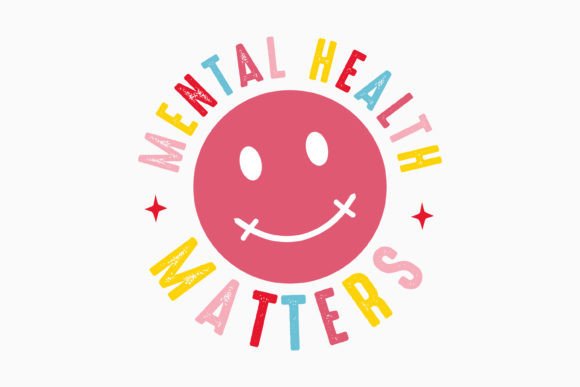
Mental Health Matters Svg Retro: A Designer's Real-World Review
In the crowded world of digital design assets, finding a file that balances aesthetic charm with practical utility is a genuine challenge. As an experienced designer who has spent years turning vector files into tangible, stitched masterpieces for clients and small businesses, I approach every new download with a mix of skepticism and hope. Recently, I tested the Mental Health Matters Svg Retro design to see if it truly holds up under the pressure of real-world embroidery projects. This isn't just about how it looks on a screen; it is about how it translates to thread, fabric, and the hands of a customer holding a finished product.
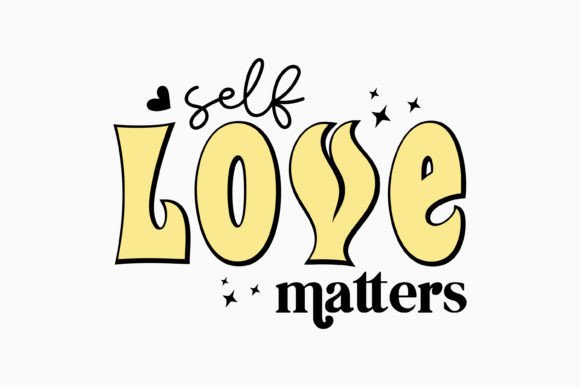
The first impression of Mental Health Matters Svg Retro is one of warmth and nostalgia. The retro styling immediately sets a mood that feels approachable rather than clinical or heavy. For designers working in the Crafts and Graphics sectors, this visual personality is a goldmine. It suggests a project that is meant to be shared, worn, and cherished. The layout is clean, avoiding the cluttered look that often plagues complex machine embroidery designs. When I opened the source file, which includes both EPS and SVG formats, the immediate takeaway was the clarity of the paths. This is crucial because a beautiful vector can still fail if the digitization logic is messy.
I decided to put this design through a rigorous test scenario: creating a custom embroidered tote bag for a local boutique's mental health awareness campaign. My goal was to produce a handmade product that felt professional enough to command a higher price point while remaining accessible to the general public. The Mental Health Matters Svg Retro design seemed perfect for this application. The retro font style pairs beautifully with canvas textures, offering a contrast that modern sans-serif fonts sometimes miss. However, moving from the screen to the hoop requires careful consideration of stitch density and fabric stability.
Real-World Performance on Various Fabrics
One of the most critical aspects of evaluating an embroidery file is its versatility across different materials. I ran tests on several surfaces to see how the Mental Health Matters Svg Retro held up. On a sturdy cotton canvas tote, the design shone. The satin stitch areas defined the lettering edges crisply, while the fill stitch sections provided a smooth, solid background that didn't pucker. The color changeability mentioned in the product description is a significant asset here. Being able to easily swap thread colors allows a business owner to create variations without needing to re-digitize the artwork.
However, not all fabrics are created equal. When I moved to a stretchy sweatshirt material, I noticed that the design required a bit more attention to stabilizer selection. While the design itself is well-structured, applying it to a curved surface like a cap or a slouchy hat demands a smaller hoop size and precise tension adjustments. If you are planning to use this for custom apparel like hoodies, I recommend testing the design on a scrap piece of the exact same fabric first. The retro aesthetic works wonderfully on dark fabrics when paired with light thread, but on thin or textured fabrics, the fine details might get lost in the weave.
Strategic Use Cases for Small Business Owners
For Etsy sellers and craft fair vendors, the Mental Health Matters Svg Retro offers a unique opportunity to tap into a market that values emotional connection alongside quality craftsmanship. This design is not just a graphic; it is a conversation starter. Imagine a personalized gift set featuring a baby onesie embroidered with this motif, or a kitchen towel hanging in a home office. The design fits naturally into categories like holiday embroidery, where people look for meaningful gifts, or as part of a small shop product line dedicated to self-care.
The ability to generate printable mockups quickly is another advantage. Since the file is 100% color changeable, you can create dozens of digital previews for your online store without lifting a needle. You can show customers how the design looks on a pillow cover, a tea towel, or a patch. This flexibility helps build brand consistency across your entire catalog. Whether you are selling digital embroidery files or finished goods, having a versatile asset like this ensures your listings remain fresh and engaging.
That said, there are specific scenarios where caution is advised. If you are working with very small hoop sizes, such as those used for jewelry boxes or tiny patches, the intricate curves of the retro typography might become too dense. The stitch density needs to be balanced against the physical limitations of the fabric. Similarly, if you plan to wash these items frequently, like aprons or work shirts, ensure that the design does not have overly sharp corners that could snag or unravel over time. Testing the durability of the finished product is essential before listing it as a commercial item.
Technical Notes for the Embroidery Designer
Before you commit to a full production run, there are several technical steps every designer should take. First, inspect the small details in the vector file. Sometimes, even high-quality downloads can have stray points or overlapping paths that cause issues during stitching. Check whether the design works effectively in black and white mockups to ensure the shape remains legible without relying solely on color.
When setting up your machine, pay close attention to the thread colors. The retro vibe relies heavily on the contrast between the text and the background. A standard running stitch outline might be necessary to define the letters if the fill stitch area is too wide. Also, confirm the licensing terms before selling any items made with this design. While the file includes source formats like EPS and SVG, the rights to use them commercially can vary. Always verify if the license covers commercial embroidery projects or if it is restricted to personal use.
Another vital step is to review the stabilizer choice. For a design like Mental Health Matters Svg Retro, which likely features a mix of detail and block lettering, a cut-away stabilizer is often best for garments that will be stretched or washed, whereas tear-away might suffice for stable home decor items. If you are creating an applique design using this template, ensure the backing fabric is compatible with the top layer to prevent shifting.
Final Thoughts on Design Value
The true measure of a good design asset is its ability to inspire confidence in the maker and satisfaction in the buyer. In my experience, the Mental Health Matters Svg Retro design succeeds in both areas. It brings a sense of calm and positivity to the final output, making it an excellent choice for projects aimed at well-being and community support. It strikes a balance between trendy aesthetics and timeless appeal, ensuring that products featuring this design won't feel outdated next season.
For anyone looking to expand their craft business or add depth to their portfolio of design assets, this file is a valuable addition. It handles the transition from digital to physical with grace, provided the user respects the technical nuances of embroidery. By taking the time to test on various fabrics, adjusting for fabric texture, and choosing the right tools, you can transform this simple vector into a stunning embroidery project that resonates with your audience. Whether it ends up on a nursery wall, a coffee cup, or a favorite hoodie, the message remains clear: the design supports the mission, and the execution supports the brand.